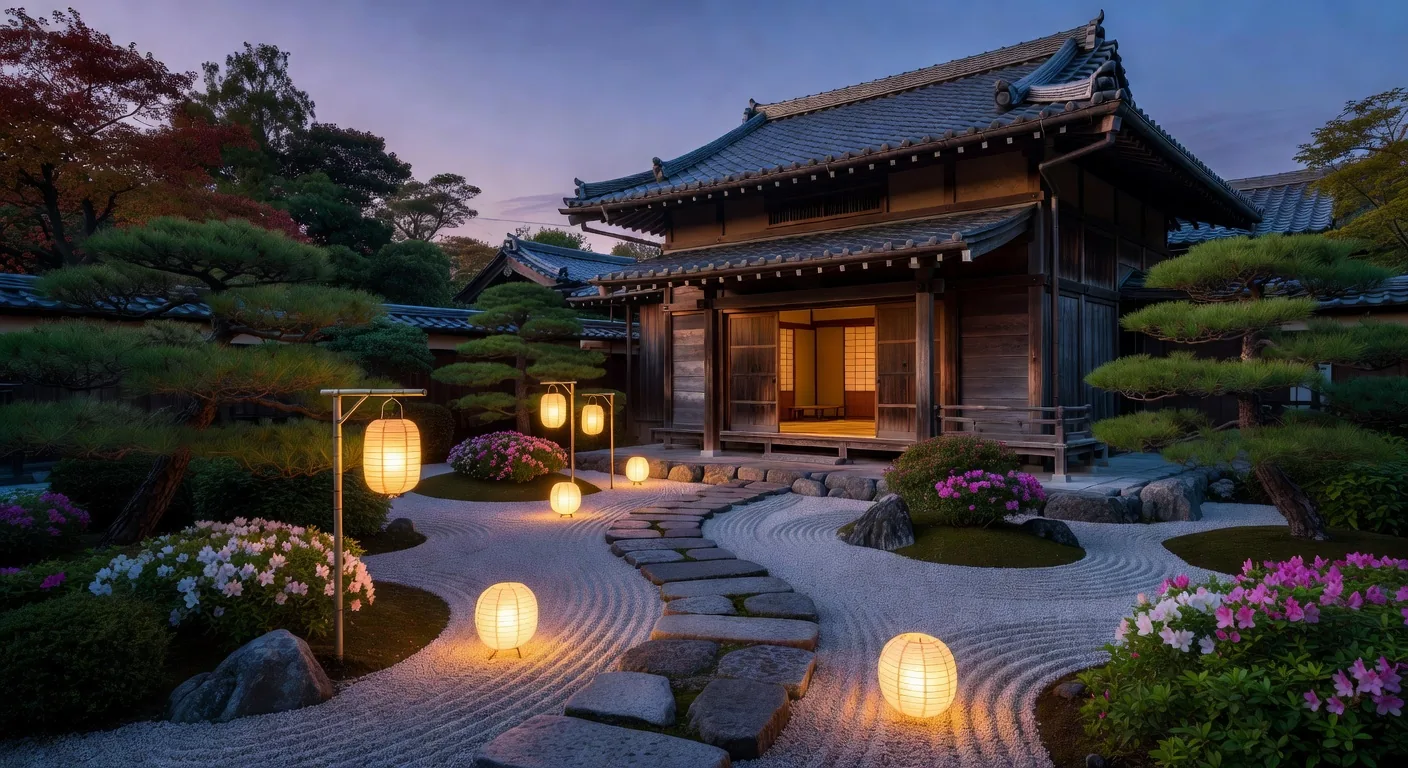
図解
Visual Guides to Japanese Architecture
Illustrated references for learners, researchers, and enthusiasts
Illustrated references for learners, researchers, and enthusiasts
Featured Guide
The ryokan — traditional Japanese inn — is the most complete expression of Japanese domestic hospitality architecture. Unlike Western hotels, the ryokan engages guests in a total spatial and sensory experience: the genkan entry ceremony, the transformation of the dining room into a sleeping chamber, the ritual of the communal bath, and the contemplative garden path.
This illustrated guide walks you through the spatial sequence of a typical ryokan, identifying key architectural features, explaining their cultural significance, and helping you read the design language that makes each element meaningful. Whether you are planning a visit or simply wish to understand how traditional Japanese hospitality translated itself into built form, this guide offers a structured introduction.
View Full GuideReference Library
Design Principle
In his celebrated essay In'ei Raisan (In Praise of Shadows), Jun'ichiro Tanizaki articulated what traditional Japanese architects had known intuitively for centuries: that beauty in Japanese space is inseparable from the quality of its shadow. Where Western architecture celebrated light, clarity, and revelation, Japanese building cultivated obscurity, suggestion, and concealment.
The deep overhanging eave is the primary instrument of this shadowed aesthetic. By extending far beyond the wall plane, it creates a zone of graduated dimness between the bright outdoor world and the dark interior — a threshold of shadow that prepares the eye and the spirit for what lies within.
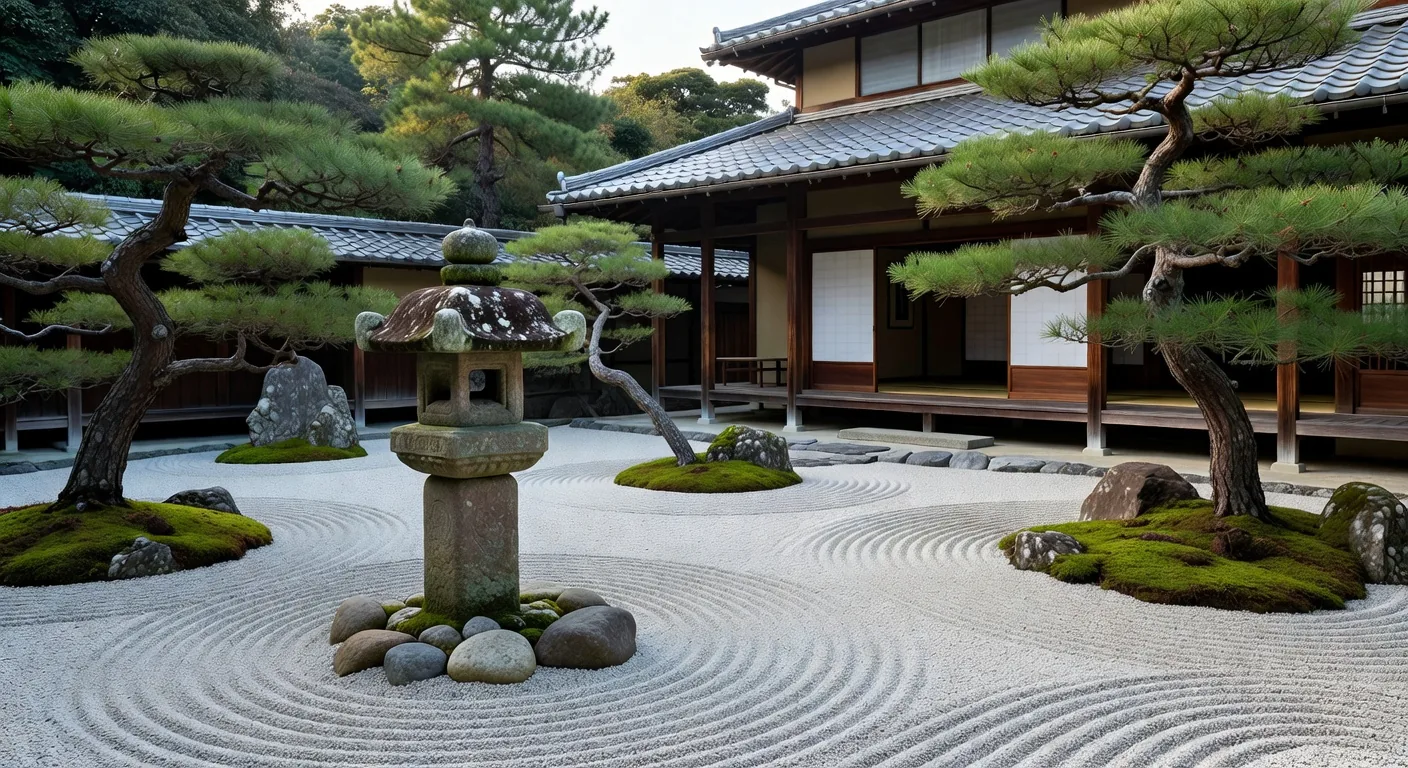
Reference
Twelve essential terms for understanding traditional Japanese architecture and space — from philosophical concepts to specific building elements.
Free Resources
The following PDF guides are available for personal, educational, and non-commercial use. Click any item to download.