Minka — The People's House

Centuries of vernacular wisdom, built from earth, timber, and thatch.

Introduction to Minka

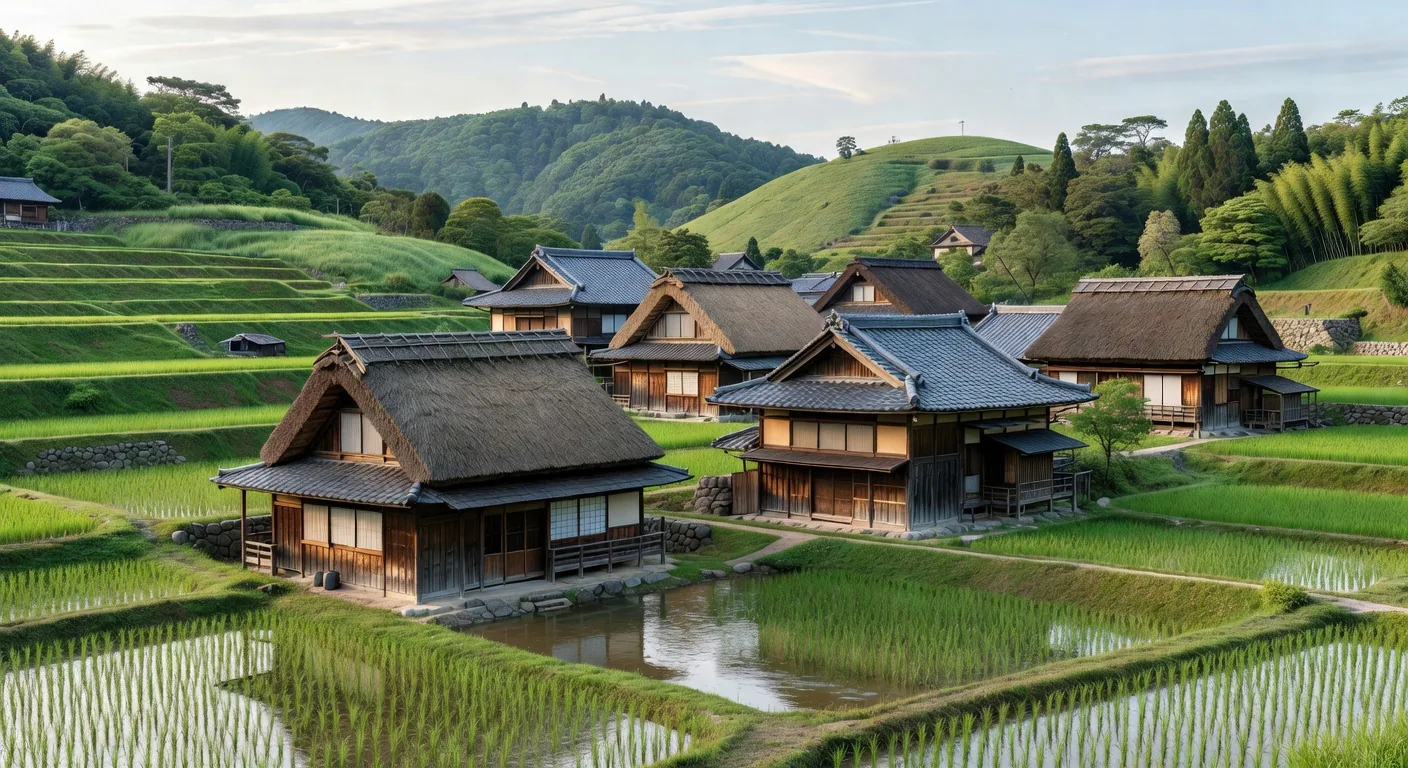
The word minka (民家) translates literally as "house of the people." It refers to the broad category of traditional vernacular dwellings built by and for commoners — farmers, fishermen, craftspeople, and merchants — across Japan's diverse regional landscapes from the Edo period onward.

Unlike the refined architecture of temples, castles, or samurai estates, minka emerged from necessity and ingenuity. Their builders were not trained architects but generations of craftspeople who accumulated knowledge through apprenticeship, adapting forms to local climates, available materials, and the rhythms of agricultural life.

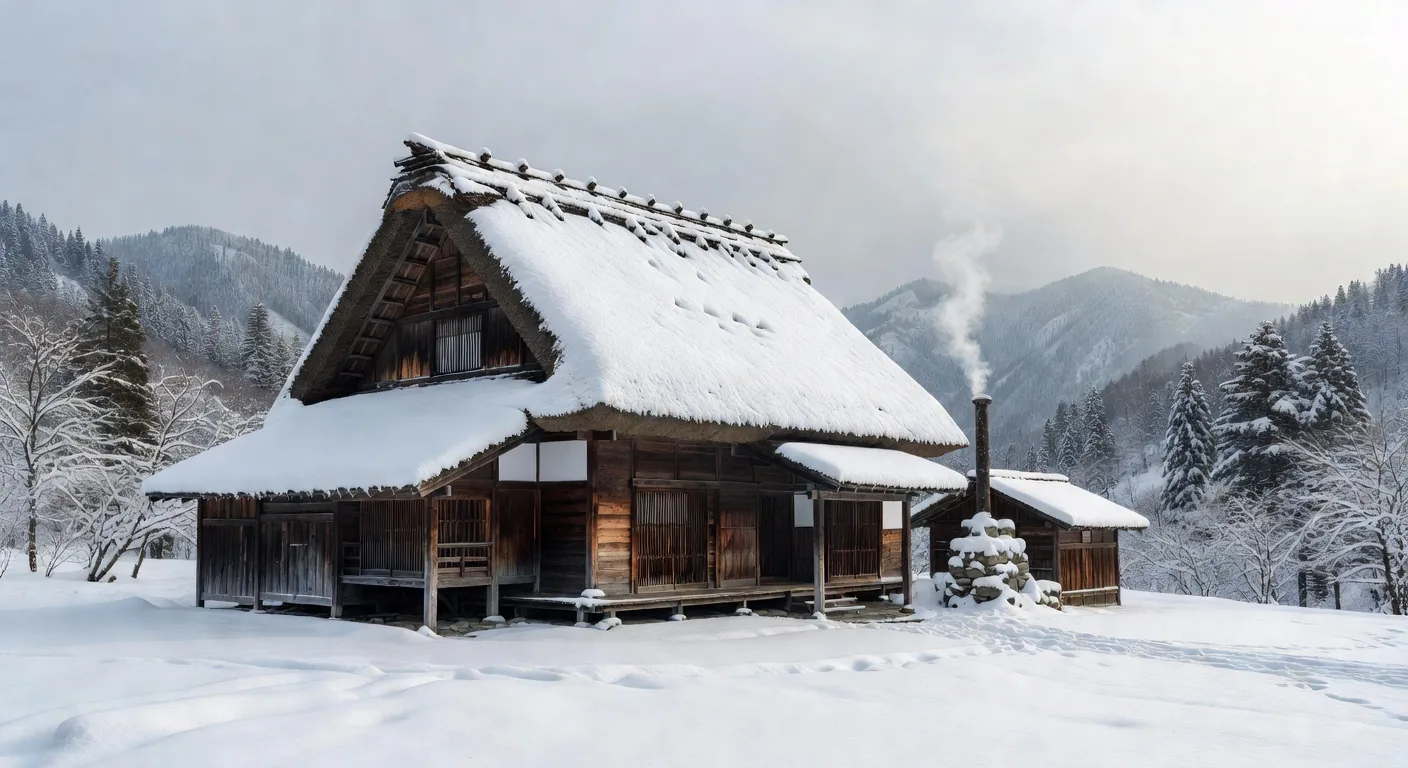
What makes minka remarkable is precisely this practical wisdom. The steeply pitched thatched roofs of Shirakawa-go evolved over generations to shed the region's legendary snowfall. The earthen floors and central sunken hearth of a farmhouse in Tohoku created a microclimate that warmed the inhabitants while preserving food stores through the bitter winter months.

Types of Minka

合掌

Gassho-zukuri

Named for their steep thatched roofs said to resemble hands pressed together in prayer (gassho), these towering farmhouses of the Shogawa River valley were engineered to withstand snowfall depths of three metres or more. The steeply angled A-frame structure uses no nails — only rope lashings that flex under the weight of snow rather than crack.

農家

Noka (Farmhouses)

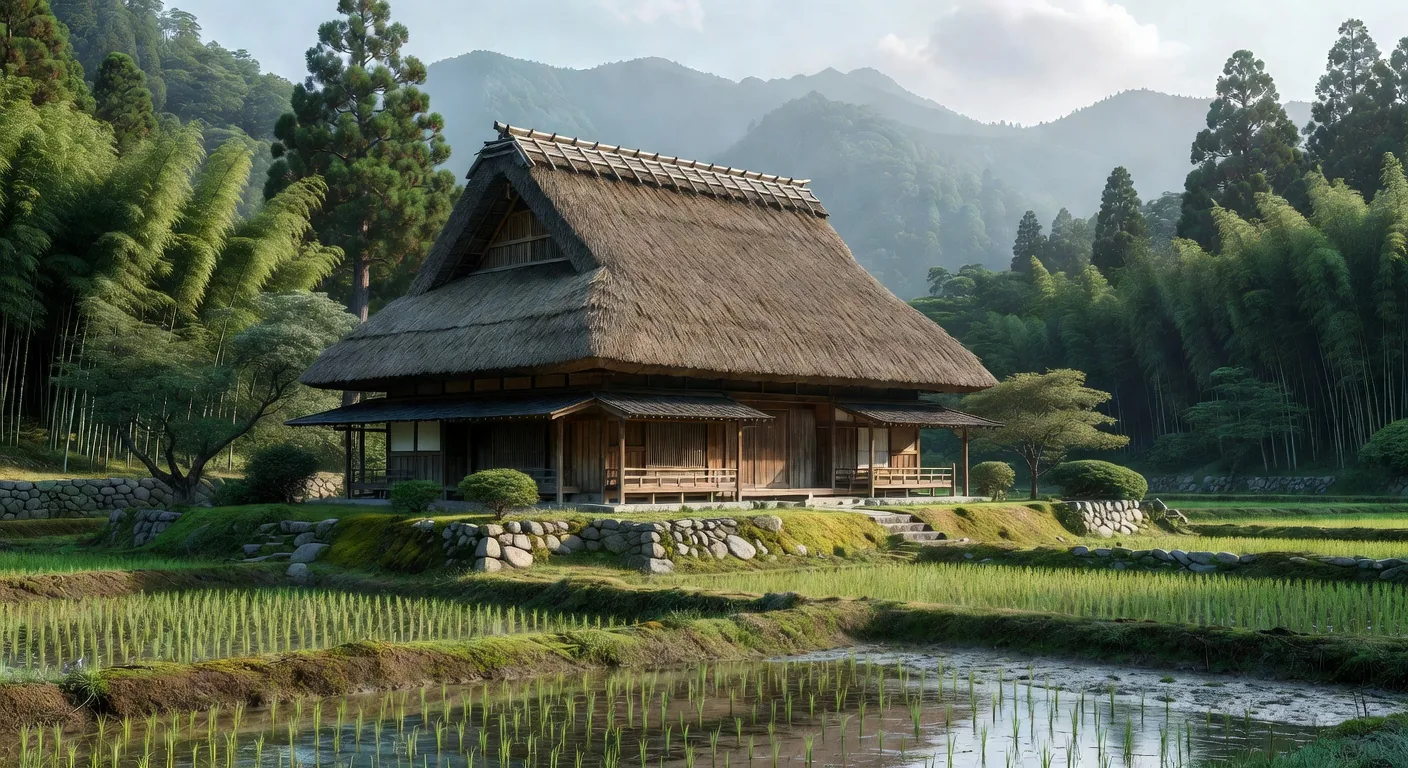
The most widespread minka type, noka were the working homes of Japan's farming class. Their layout almost always combined a living space with an open earthen-floored work area (doma) where tools were stored, animals sometimes housed, and daily agricultural tasks performed under shelter. Regional variations are extraordinarily diverse.

漁家

Gyoka (Fishing Houses)

Coastal fishing communities developed their own minka traditions shaped by proximity to the sea. Gyoka often featured lower rooflines to resist ocean winds, salt-resistant materials, and layouts that accommodated the storage and maintenance of boats, nets, and fishing equipment. Many examples survive along the Sea of Japan coastline.

山家

Sanka (Mountain Homes)

Deep in Japan's mountainous interior, sanka were the dwellings of communities that lived by forestry, charcoal production, and highland farming. Often smaller and more austere than lowland farmhouses, they were built with the dense cedar and cypress of their surroundings, with thick walls and minimal window openings to retain heat.

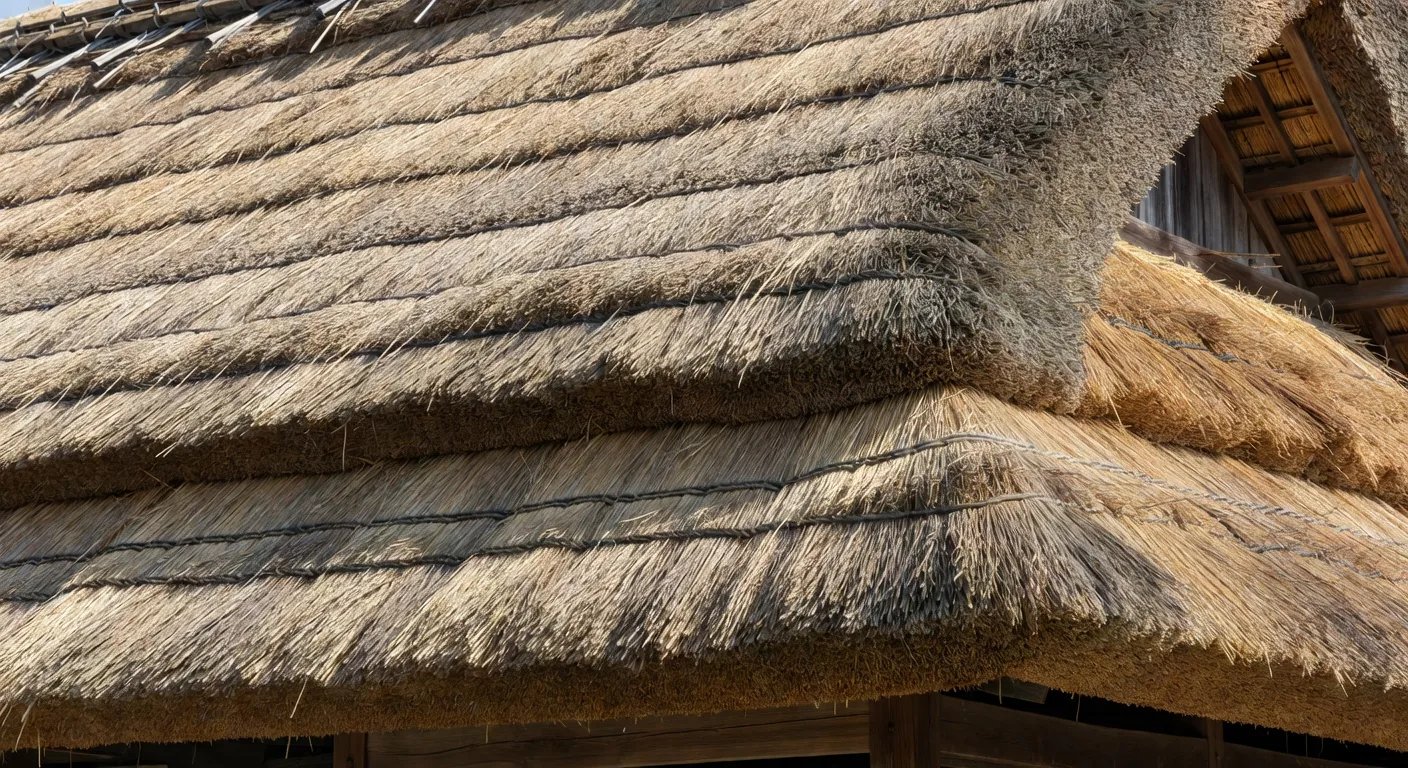
Thatch roof texture and construction detail

The Art of Thatching

A well-made thatched minka roof is among the most sophisticated vernacular building technologies in the world. Layers of miscanthus grass or rice straw are compressed and layered to depths of 60–90 centimetres, creating insulation, waterproofing, and structural resilience that modern synthetic materials struggle to match.

Traditional thatching was a communal activity — the entire village would gather to re-thatch a farmhouse roof in a practice called yui, a cooperative labour exchange that bound communities together as surely as it bound the roof.

  • Roof thickness: 60–90 cm of compressed straw
  • Lifespan: 30–50 years with proper maintenance
  • Primary materials: kaya grass, rice straw, bamboo
  • Ridge binding: wisteria vine or twisted rope
  • No metal fixings — entirely rope-and-peg construction
Historical Timeline

1603–1868

Edo Period

The golden age of minka construction. Stable governance, expanding agricultural productivity, and improved timber-joinery techniques allowed commoners to build increasingly sophisticated homes. Regional styles crystallise distinctly during this era.

1868–1912

Meiji Era

Western architectural influence and rapid industrialisation begin to erode traditional building practices. Corrugated iron begins replacing thatch in many areas. The first scholarly attention is paid to minka as distinctive cultural objects worth documenting.

1912–1926

Taisho Era

Rapid urbanisation accelerates the abandonment of rural farmhouses. Architects such as Arata Endo begin systematic study of minka, producing the first comprehensive photographic surveys. The loss of thatching knowledge begins to be recognised as irreversible.

1950–Present

Modern Preservation

Post-war depopulation empties many rural villages. Japan's Law for the Protection of Cultural Properties (1950) begins designating outstanding minka as Nationally Important Cultural Properties. Open-air architectural museums gather threatened structures for preservation.

Key Architectural Features

🔥

Irori Hearth

The sunken central hearth served for cooking, heating, and drying — the living heart of every farmhouse.

🏗️

Post-and-Beam Frame

Large timber posts support the entire structure, allowing flexible interior layouts without load-bearing walls.

🌿

Thatched Roof

Layers of kaya grass or rice straw, sometimes one metre thick, provide extraordinary insulation and waterproofing.

🪵

Earthen Floor (Doma)

The unboarded earth-floor work area bridging inside and outside — a zone for labour, tools, and animals.

🚪

Shoji Screens

Paper-paned sliding screens filter light softly and allow rooms to be reconfigured for changing uses and seasons.

🌾

Storage Loft

The soaring interior roof space created natural storage for grain, silkworms, and preserved foods above the living floor.

Related Articles